Learn More About Folk Instruments
East Asian Folk Instruments
The gayageum is a long wooden instrument with 12 strings. The instrument was played at village gatherings, celebrations, and cultural events. Its soft and expressive sound helped tell stories, express emotions, and pass traditions from one generation to another.

The haegeum has two strings and a small wooden body with a long neck. The bow passes between the two strings, and the player moves it back and forth to create sound. The haegeum was commonly played at local gatherings, festivals, and storytelling performances, helping express emotions and cultural traditions


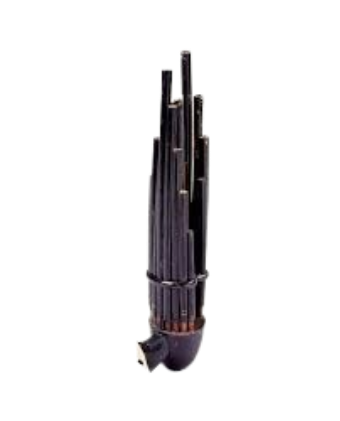
The saenghwang is a mouth organ made of several bamboo pipes placed into a small wooden or metal chamber. One special feature of the saenghwang is that it can play multiple notes at the same time, creating soft harmonies instead of just a single melody.
Irish
Folk Instruments
The bodhrán is a traditional Irish frame drum made with stretched goatskin and played with a small stick called a tipper, providing the rhythmic heartbeat of Irish folk music at festivals, dances, and storytelling gatherings.

The tin whistle is a small metal flute used in Irish folk music. It has six finger holes, and players blow into the mouthpiece while covering the holes to create different notes, producing a bright sound often heard in traditional dances and folk songs.
Turkish Folk Instruments

The zurna is a traditional Turkish wind instrument made of wood and played with a double reed. It produces a loud, powerful sound and is commonly used in Turkish folk music during weddings, festivals, and outdoor celebrations.

The kanun is a traditional Turkish folk instrument with many strings stretched across a flat, trapezoid-shaped wooden body. The kanun creates bright, flowing melodies that accompany singers and traditional performances. It is often played during cultural gatherings, storytelling, and celebrations, helping preserve Turkey’s musical heritage